
Creating New Sockets
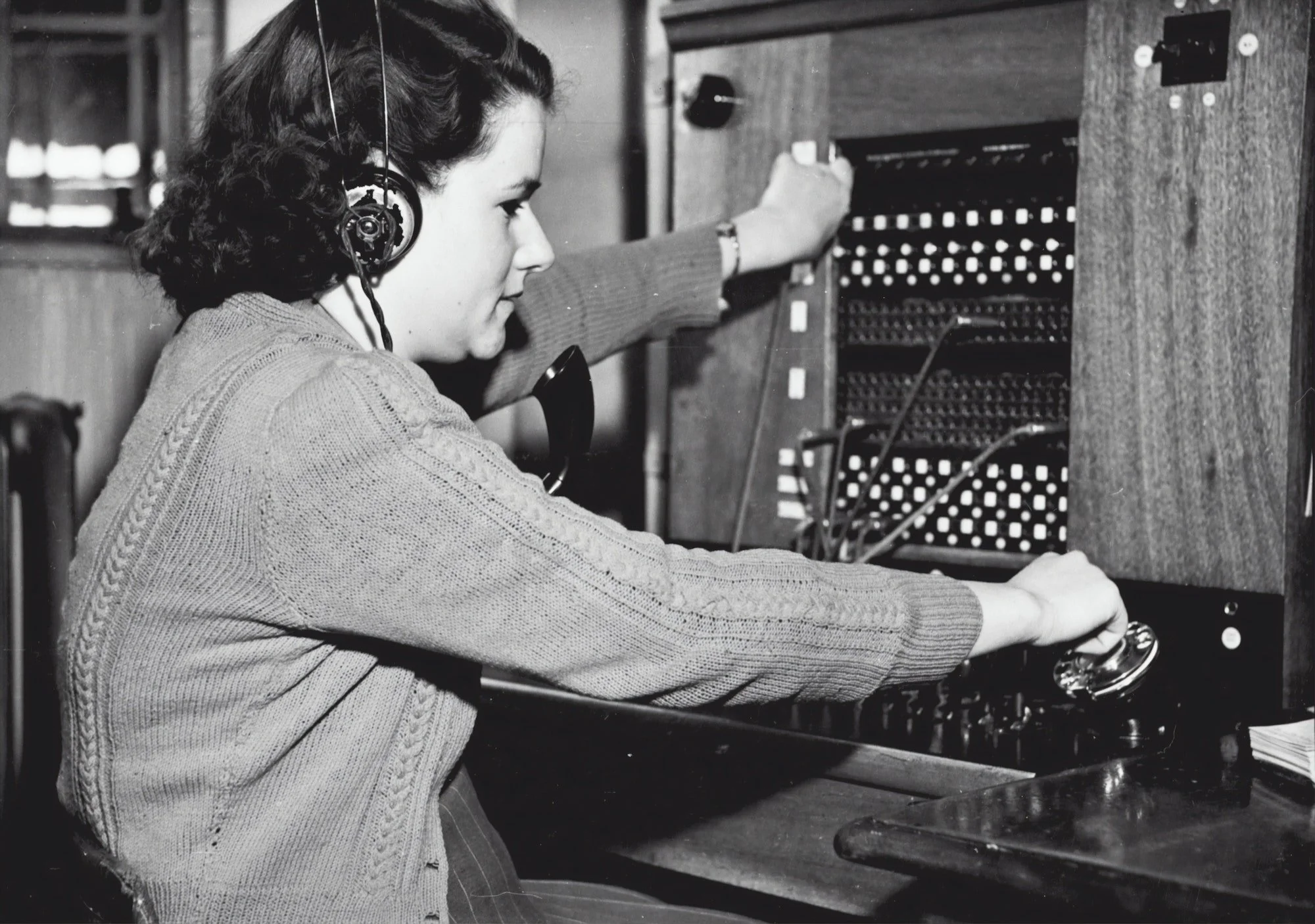
 Speaking from personal experience and without going into too much detail (ahem), I know how frustrating it can be when *other people* don’t understand and take action on the amazing advice we want to give them."Yesterday I was clever, so I wanted to change the world.Today I am wise, so I am changing myself."— Jalaluddin Mevlana RumiOf course, this is equally true of ourselves, but since it’s easier to talk about others with some measure of clarity, that’s where I’ll start today. Please keep in mind, the tips for us to feel better together in this article are ones I hope we will all adopt. Because I know from experience they work.Back in the late ‘90s, I was a health coach for Johnson & Johnson. They had paid for 20 years of research on how we humans can break our addictive habits, especially with alcohol and tobacco. The researcher, Dr. James Prochaska, lost his father to alcoholism and despite the relative success of 12 Step Programs (thank you, Bill), the medical community repeatedly failed at helping people change their harmful, unhealthy behaviors. It left medical folks to be shame-meisters, who felt superior to those who had trouble changing. This is NOT an effective way to help people. Mea culpa.Dr. Prochaska developed something so brilliant and so simple, that when I describe it to you, you will likely say, “Duh!” But until he categorized and fleshed out this methodology for change, most practitioners and corporate HR departments told the offenders, “Just quit.” They likely even paid for smoking cessation classes and treatment stints. But the data on actual change was, to be glib, pathetic. Failure to change was more common and less understood.He gave his method the oh-so-academic-name of The Transtheoretical Model of Change, also known as the Five Stages of Change model. This consumer overview is a solid description of it.1The genius embedded in the methodology is that we do not change until WE are ready. Not when our partners or bosses are ready for us to change. Already, that makes sense, right? But how many times have you, like me, sad to say, told our loved ones to please change! You will feel better! You will be more successful! Often, with the implication “I will love you more, too.” Even though I was professionally trained in this methodology and have coached over a thousand clients (being one of their highest-rated for my reviews and success rates in reducing blood pressure, cholesterol, weight, and smoking), ranging from CEOs to factory workers, I have blind spots in my own life, in my own relationships. Change. Is. Hard.It’s come up recently with a slightly different metaphor: that a person doesn’t have a socket for what I’m saying. So I can talk ad nauseam, and I have, but if the person doesn’t have a place to integrate and digest the tips, the tips cannot connect within their own psyches and initiate the process of change.One more funny reason why I “shoulda coulda known better” is that I worked an actual 120-socket switchboard at a car dealership after classes while in high school. Even though I smoked pot most days on the way to the job, to manage the harassment I experienced sitting in the crow’s nest cubicle on the showroom floor for all to ogle, I was effective at this job. The screen was constantly lit up as I patched incoming and outgoing calls, some of which were pranks, of course.So instead of haranguing your loved ones on repeat about one of their irritating habits, which I imagine you’ve already learned does not work, consider these five stages of change as a way to approach difficult situations. I think it’s a great way to create new sockets so we can mutually patch in not just clean communication but also effective change. And then, with all this enlightenment under our belts, we can turn the tables to focus on ourselves, and use the process to examine our own resistance to change."The changes we dread most may contain our salvation." — Barbara Kingsolver
The Five Stages of Change
Here’s a quick summary of Dr. Prochaska’s methodology. Stage 1 is brilliant and completely counter-intuitive, but if you skip it, failure is waiting to pounce. He also devised a list of brief questions the coach can use to assess the client’s stage of change readiness. Anyone, I believe, is capable of learning to do this.
Stage 1: Precontemplation
It is defined as NO desire to change the target behavior.“I love smoking. It gives me a bowel movement every morning and keeps my weight down. I’m not letting you take that from me.”So, this looks like a nonstarter for the caring coach, right? But in fact, there are many “interventions” that can be discussed. We say, “OK, then quitting is off the table. Could we talk about some related issues?” Even the most stubborn smoker would say “Sure.” And this is where we create an opening for both rational and emotional assessments and insights.“How does your smoking affect your family or your co-workers?” By being able to ask this WITHOUT judgment, the client can open up and share more context. By doing this, the hard edges of “I love smoking” can soften and the person can allow their own relationship concerns to enter the conversation. An assignment might be, “Would you be willing to talk to one or two people and ask them how your smoking affects them?”"Moving doesn't change who you are.It only changes the view outside your window." — Rachel Hollis
Stage 2: Contemplation
Once you’ve opened the conversation, and this can take a few months, it is likely the person is willing to think about quitting. We are still not enrolling them in a cessation class; we are just wondering, “Is it even possible you could quit or reduce?”A typical assignment might be: “Would you be willing to make a list of the pros and cons of smoking in your life?” We want it to be very personal, not some stat about lung cancer. How does smoking enhance or impair your own life?"Growth and comfort do not coexist."— Ginni Rometty
Stage 3: Preparation
Generally, once the client sees on paper, not just the positives of smoking but also the negatives, the scale begins to tip. We are now at Stage 3 and guess what? We are still not enrolling them in a cessation class! Because first, we want to prepare them for success. It’s certainly possible some have tried quitting before and failed. So there is that to deal with, too. They do not have a “socket” for successfully quitting. A typical assignment could be: “Would you like to try reducing your intake a little bit?” Or “What kinds of support do you imagine would help you IF you decided to quit smoking?”"Those who cannot change their minds cannot change anything."— George Bernard Shaw
Stage 4: Action
Now, the client is ready to take specific action about their smoking. Finally, right? But as we all know, foundations are more critical than the structures on top. Taking as much time as needed to get to Stage 4 is worth every week, every breath, every list, every conversation. A typical assignment here is for the client to have their action plan ready for launch. An essential ingredient is to identify who will support you and how will you reward yourself for taking this step. Stanford professor BJ Fogg has done excellent research on the essential value of incorporating rewards when we are trying to make a change in our lives, though he may hang out on the optimistic side of the coin.2"The only way to make sense out of change is to plunge into it, move with it and join the dance."— Alan Watts
Stage 5: Maintenance
We all know we can go to the gym for a week or two every January, but it can be hard to maintain that commitment all year long. Much health research suggests it takes a minimum of 6 months to convert a new habit to being intrinsically motivated (you do it because you want to) vs. extrinsically motivated (you do it because your boss is giving you a reward). So it’s essential to have a plan for when the client “falls off the wagon.” Knowing this is a possibility, reduces some of the shame if and when it happens. And it’s just a solid strategy in any case, so the client doesn’t have to bare muscle it alone. This stage can include sticky note reminders, rewards for staying on the plan, and identifying supporters who can help you re-orient, etc."I cannot say whether things will get better if we change; what I can say is they must change if they are to get better." — Georg C. Lichtenberg
What is Harder Than Quitting Smoking?
Tobacco is known to be one of the most addictive substances and hence one of the hardest things to change. But at least it’s a tangible quantity and we have all this research on it. Plus, it is pretty straightforward.But what about our blind spots in relationships? The dysfunctional behaviors we adopted as reasonable responses to childhood challenges? The ones that keep us from being close to others, from finding the courage to try new things, from admitting our own faults? This is the really juicy pathway to feeling better together.I think a lot of us can flow if we start with Stage 1. Though we call it “Precontemplation” it’s really about having conversations about what is working and what isn’t. And many of us don’t have a socket for this first step, so we don’t talk and we drift apart and we fail. I wish I had a better solution than to call on Nike at this point and say, “Just do it.” Or get a coach who can help with Stage 1, rather than trying to do it alone, socketless. I know, some people don’t have a socket for going to therapy or getting a coach, either!But to keep this from ending on a downer note, I offer you the post from a few weeks ago: Do the Hard Stuff. I think that is actually how we make new sockets, all by our magical selves! Do things that the monkey mind says are for others, not you. Do things that you can’t predict the outcome for. Do things just for the hell of it and observe what happens.There is of course more to the story, but I’ll save it for a future post. As one who was a MESS for many years, and who is a long way from perfect (though am a goody two shoes…) I’ve tried a lot of techniques and love to be able to share them with you.Let’s feel better together, shall we? What can I do to help? I am available for coaching, too."In any given moment we have two options: to step forward into growth or step back into safety."— Abraham Maslow