
Wrong Reason, Right Result
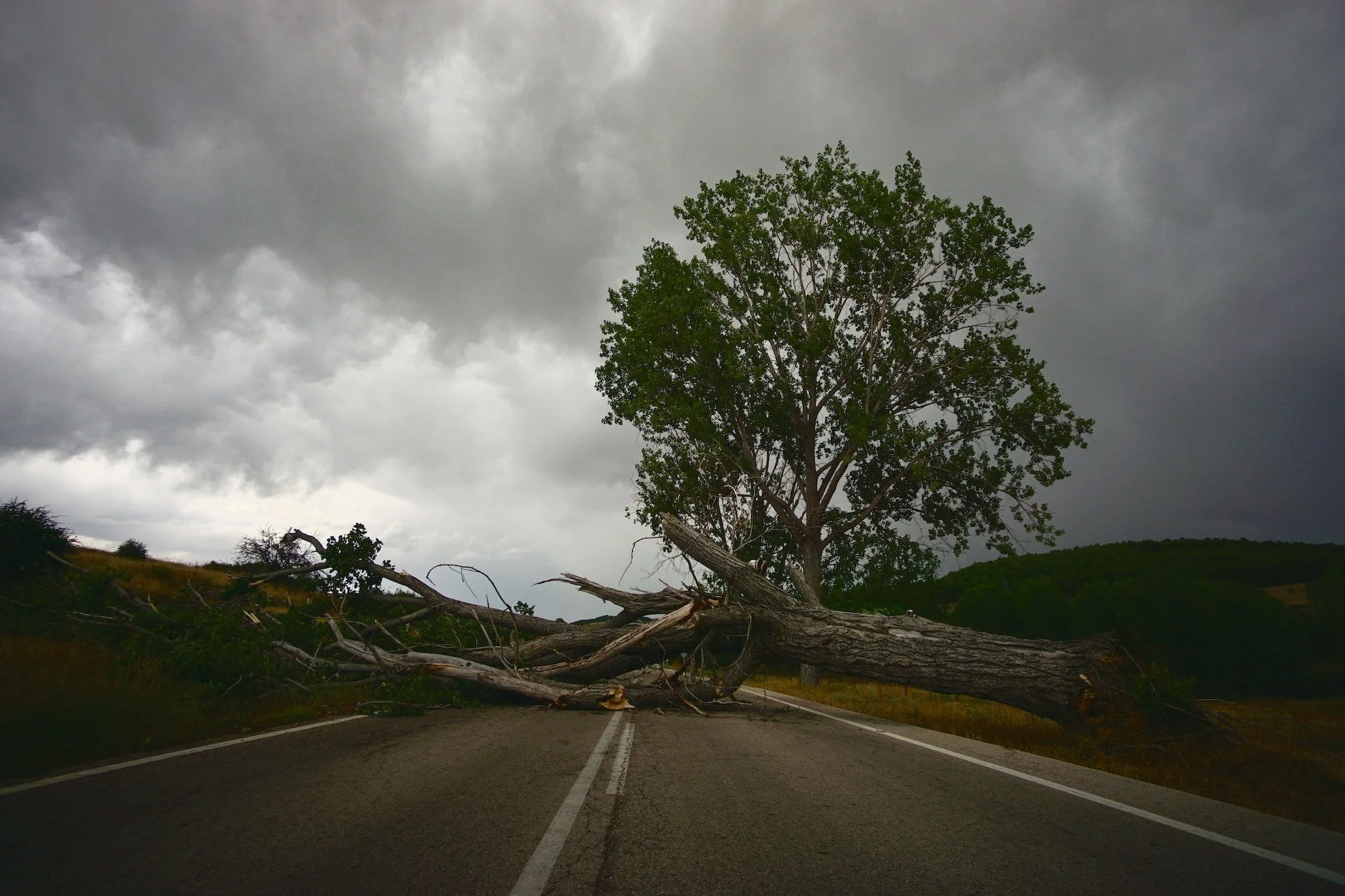
 Wrong reason, right result is a phrase that’s been floating in my consciousness for many, many years. “Wrong” and “Right” are not quite the ideal words, but I like the alliteration and I haven’t been able to find suitable substitutes. The reason I used to consider them not quite right, is because the deeper truth is that rights and wrongs are not absolute; they are very contextual, subjective, and time-limited. Nonetheless, I think we all know what I mean by the phrase, as it cuts to the core of a common experience.Way back in the day, a religious figure wrote a book about when bad things happen to good people. This is not that. First, because good and bad might be even more problematic than right and wrong! But also, because the quick and superficial assumption is that “good people” and “bad things” are somehow absolute statements without wriggle roomWhat I’m talking about today, is more accurately described as when shitty things happen to me, how can I get something useful out of it? It’s not about blame — though that can be implied — and it’s not about self-pity, as I have no use for that. (I mean, people do shitty things so let’s not pretend that doesn’t happen.)FYI, if you are feeling self-pity, I totally understand! I recommend having a conscious meltdown instead of blaming and staying stuck in hurt, as it can acknowledge these feelings that likely have some legitimacy while moving you out of the childish aspects, which I don’t find helpful.I taught a course on doing this decades ago at Rancho La Puerta Spa in Mexico and I’ve summarized it on my blog in case you want to try it. The reality of being a spirit being in human form is that shitty stuff happens and then we feel shitty about it. Nothing to feel shame about! This is a technique I developed for myself after not knowing what to do when I felt suicidal after being hurt by someone. Big hurts can feel devastating! But they are temporary and not only can we get past them, we can let the hurts improve us, strengthen us, and grow better habits with us. 1

So how about a few examples?
Several years ago I submitted a bid to an organization on Maui that was interested in hiring me for website and social media marketing services. They are a nonprofit, doing really helpful work with families on Maui. Since they were a nonprofit and I am a softy, I gave them a rather discounted rate. They were impressed and happy with the proposal.Then, a friend of mine who offers the same services, and for whom I had recently hosted a baby shower and dinner, contacted the org and offered herself free of charge. It’s in the org’s best interest, financially, to take the free person, not the one who is charging. The director forwarded my friend’s email about her free offer to me. It was all there in writing. He was asking if I could work for free. Because, why not?I was tempted. Maui is a small place and gossip is the currency of community. I was worried I would look selfish if I also didn’t work for free. Over-giving has been my go-to for much of my life. (And I’m no longer proud of that.)We flatter ourselves by thinking this compulsion to please others an attractive trait: a gift for imaginative empathy, evidence of our willingness to give.Joan DidionI was very hurt. This person I’m calling a friend was technically more of an acquaintance. It’s anyone’s guess why I took on the whole baby shower and dinner party thing but I think it’s because I was older than her peer group and no one was stepping up. I thought this budding human deserved to be welcomed into the world in a special way but maybe I was just old-fashioned.So I lost the job. I lost the income. I lost respect for the ‘friend.’ But my schedule cleared and I acquired another client who offered a more interesting assignment and better pay! And better yet, I gained some self-respect, something I’m still working on.2To have that sense of one's intrinsic worth which, for better or for worse, constitutes self-respect, is potentially to have everything: the ability to discriminate, to love and to remain indifferent.Joan Didion
Finding the Mother Tree
A more interesting example may be the experience author and scientist Suzanne Simard had. She wrote the wonderful book, Finding the Mother Tree. She is the person who discovered much of what we know about how plants communicate and interact in the soil, in the mycorrhizae. And she shares many profound examples of “Wrong Reason, Right Result” in the book. The forestry industry and her local government repeatedly pushed against or even stopped her research at times. In one example, a rancher poisoned an area of government land that had been clearcut and in which she was authorized to work. Which inspired her to go deeper, be more creative. It took her four failed experiments over three years to uncover that there is a connection to the right kind of soil fungi, that’s essential to the health of trees. It’s quite specific to individual plants, not a generic thing. (Chapter 5) 3The short way of thinking about wrong reason, right result, is that there’s always more to the story. If we are willing to keep searching for opportunities to understand more, to challenge ourselves to go deeper, to accept a current state of reality and hope that it is leading us to new information, and a stronger sense of self-respect, then all is not only lost, but much is waiting to be gained.Obstacles on the road are essential for those of us taking the path to self-respect and raising consciousness. Let’s see them as helpers not hurters.I know this making ‘lemonade out of lemons’ idea isn’t new but I do find it’s one that we ought to be reminding each other about on the daily. The more confusion, uncertainty, and disruption in our shared world, the more we can use the skills. I do hope it sharpens your antennae to be on the lookout for opportunities inside the shitshows you may find yourself in.Let’s feel better together.